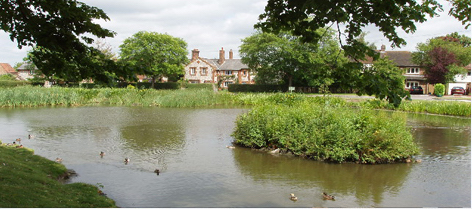

TYLERS GREEN prostate cancer patient Ron Hedley last month hit his £100,000 target in a personal campaign to raise awareness and provide funds to combat the disease.
The veteran cricketer did it with the help of his family and the cricketing community by holding sponsored walks, mainly around cricket grounds all over the country and abroad, and other fund-raising events.
The cash is helping The Bob Willis Fund, a charity started in memory of the former England cricket captain, which in turn is helping Prostate Cancer UK fund research and awareness into the illness.
Ron, 76, of Old Kiln Road, is chairman of the over-60s and over-70s Bucks County Cricket Club and it has been fellow veteran cricketers from around the country who helped him organise his walks, which this month will total 50.

His four year campaign has also found him in Rome with the Vatican cricket team and with teams in Malta.
With his wife Pat, who always accompanies him, he has been featured on national and regional TV and radio programmes and supported by big named cricketers as well as the Princess Royal’s husband Sir Tim Laurence and former prime minister Sir John Major. Even the visiting Aussie cricket team donated its fines to his cause in its visit three years ago.
He has been overwhelmed by the support he has received and thanked the many hundreds of people who have been involved.
He said: “Our target was reached at a fantastic Indian meal evening at Winchmore Hill Cricket Club where 60 guests enjoyed a meal prepared by over-70s cricketer Channi Sethi. The walks will continue as long as counties playing over 60s/70s cricket want to help.”
In memory of Andreas. Two clubs in one community pay a rare tribute

MEANWHILE, in a rare tribute, Penn and Tylers Green Football Club played Penn and Tylers Green Cricket Club in both football and cricket matches last month also to raise money for Prostate Cancer UK, but this time in memory of Andreas Latta, a stalwart of both clubs.
Andreas, of Cock Lane, Tylers Green, died last December aged 70. He was vice-president and secretary of the football club and former treasurer of the cricket club and passionate supporter and coach in both sports.

The clubs have set up a Just Giving page to raise money in his memory which you can access on this link: https://www.justgiving.com/page/ptgfc-ptgcc?
Rayners builders discover a 19th century bodge-up
THERE’S always the risk that whenever anyone undertakes the renovation and restoration of an old building they could be in for a nasty surprise.
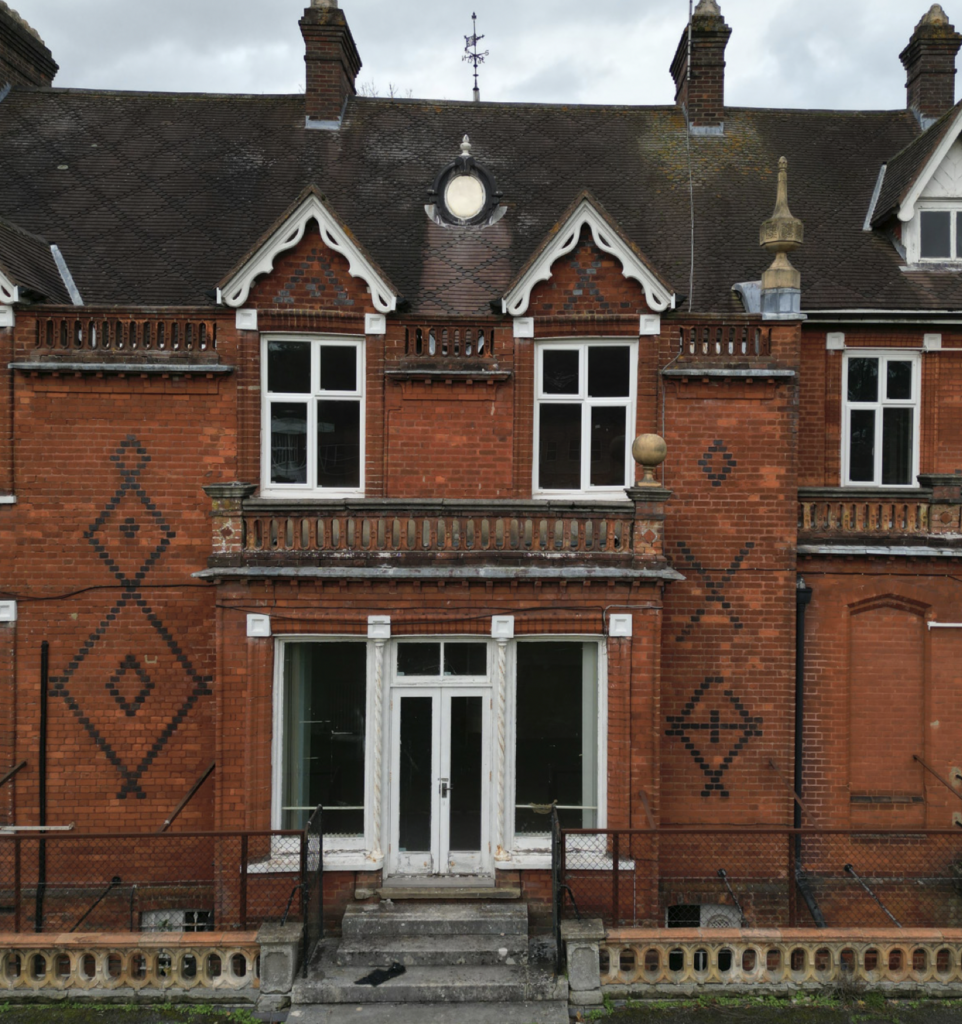
And that’s just what’s happened at Rayners, the former Penn School in Church Road which is being transformed into a multi-million pound luxury hotel complex to be called Rayners Penn.
When builders chipped off the old plaster in the area of the main listed building that’s to become the hotel bar they discovered something they didn’t want to see: a classic 19th century bodge-up.
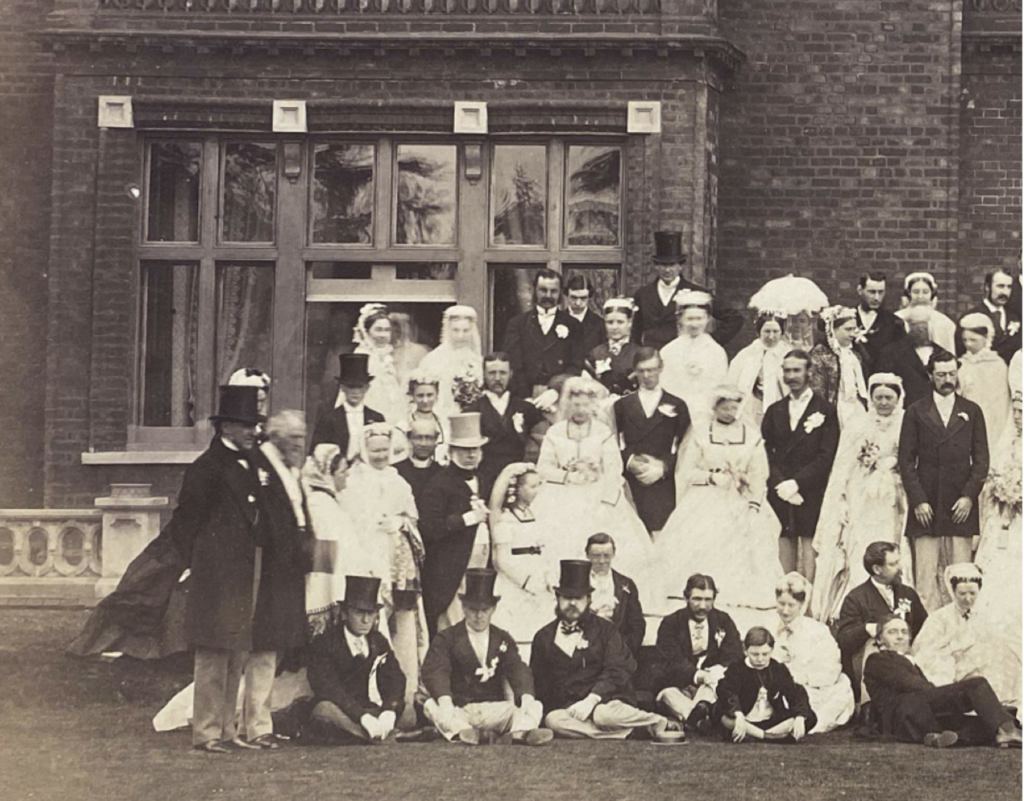
By studying old photographs of the building they discovered that alterations were made around the turn of the 20th century in one particular section at the back to insert new windows. Then, on closer inspection they discovered the facade and accompanying porch was warping, the wall was twisting and the masonry cracking.
In fact, according to an engineer’s report, the whole section is in danger of imminent collapse.
Fortunately, here in the 21st century, the site’s owners – who are determined to restore the entire building to its former glory – are dealing with builders who know what they’re doing.
Now, using specialist contractors, they are going to dismantle the whole section brick by brick; clean-up and retain as many original bits as they can, and rebuild it in a safe and stable way. When finished it will look exactly as it did.
The work will begin once the council has given permission for it to go ahead.
Local news

Lifetime achiever – Chris Judge from Penn and Tylers Green Cricket Club received a Lifetime Achiever Award at last month’s Buckinghamshire Cricket Awards in recognition of his “outstanding contribution, dedication and lasting impact on cricket in Buckinghamshire.”
A former club captain, his citation said Chris had spent countless tireless hours maintaining and working on the club ground. His proudest moment came four years ago when he took to the field with both his sons in the same team. With typical humour he said his unhappy look in the picture (centre) was “due to my cricket performances this season!”
Ponds infected – Two local ponds – Pistles Pond in Beacon Hill, Penn and St George’s Pond in Penn Street – have been infected by the invasive New Zealand Pigmyweed and a plan is being developed to combat it.
Road death – Police say a motorist who ran into a man in the dark in Wielden Lane, Winchmore Hill late on 19 September tried to revive him. But the man, Craig Parker, 44, died after the collision.
Safer car park – The Penn Surgery car park is being improved with new outside lighting, the removal of kerbs and the repainting of white lines to improve visibility, capacity and safety.
Conversion approved – Planners have given the go-ahead for the former butcher’s shop known as the Doll’s House, on the corner of Elm Road, Penn and Church Road, Tylers Green, to be converted fully into residential accommodation (see last blog).

Extension doubts – A planning application by Dip Kumar to extend a house opposite his King’s Ride Supermarket has been met with concern by parish councillors who have told planners they think it amounts to overdevelopment of the site.(Update 20 October: The plan has subsequently been withdrawn.)
Path closure – The public footpath Penn 42/1 from the Penn Road in Knotty Green towards Finch Lane will be closed for up to six months while Open Reach lay a new communication duct.
Fresh charge – Voltis, the power company whose plans to build a battery storage complex at Mop End, off the Amersham Road, were rejected after complaints from locals, councils and MPs, has come back with a new plan which it says is smaller in scale. However the local parish council says a full environmental impact assessment should be made before any new plan is considered.
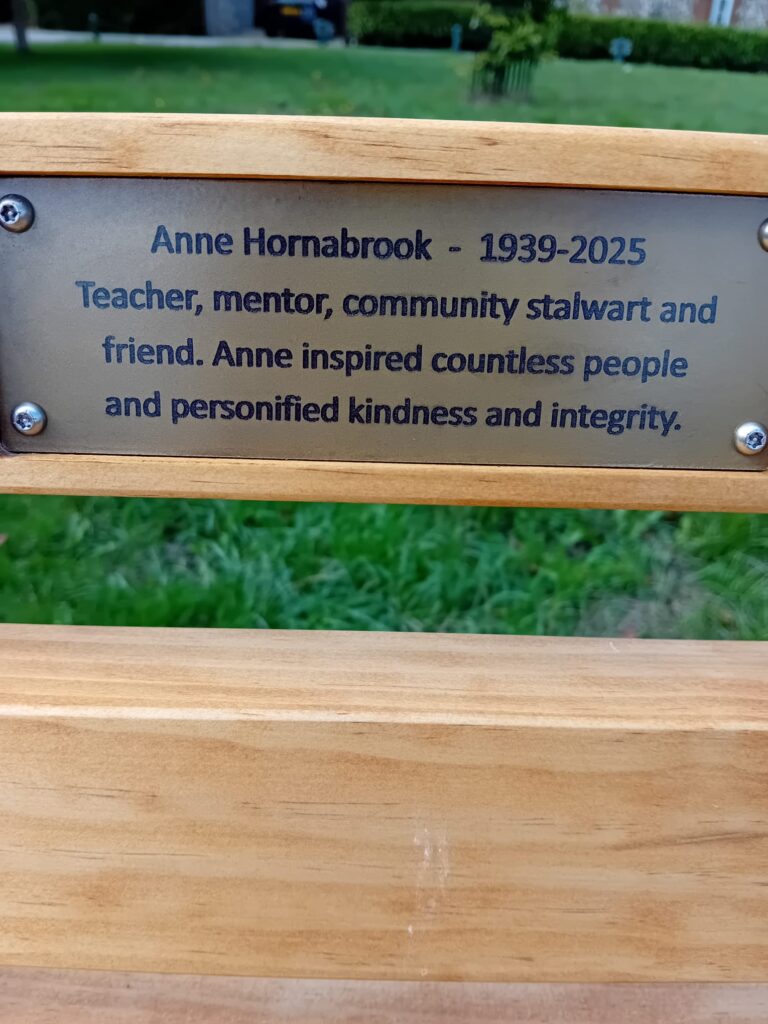
Remembering Anne – A seat in memory of former Tylers Green First School teacher Anne Hornabrook who was also active in a number of village events, ranging from the fun run to Carols on the Common, has been sited opposite Tylers Green Village Hall in Church Road.
Car crash – A woman had to be helped from her vehicle by fire fighters after a two car crash near the Clay Street/Witheridge Lane junction – Saucy Corner – in Penn on 3 September. Both she and another woman in the other vehicle were treated at the scene by ambulance crews.
Pub improvements – Star Pubs has been given planning permission to extend The Beech Tree pub in Terriers to improve facilities and toilets. The 200 year old pub is currently closed.
Mid-table security – Penn and Tylers Green Cricket Club’s men’s first team finished mid-table in division 4B of the Thames Valley Cricket League.
Remembrance Day – Everyone is invited to attend a ceremony of remembrance at 11am on Wednesday 11 November on Tylers Green front common as part of the annual Remembrance Day commemorations.

Diamond celebrations – Cedar Park School in Hazlemere celebrated its 60th anniversary last month by organising the children to form a giant 60 on the school playing field and using a drone to take this photograph.
Sports club to have its drinks licence reviewed after complaints from 11 residents
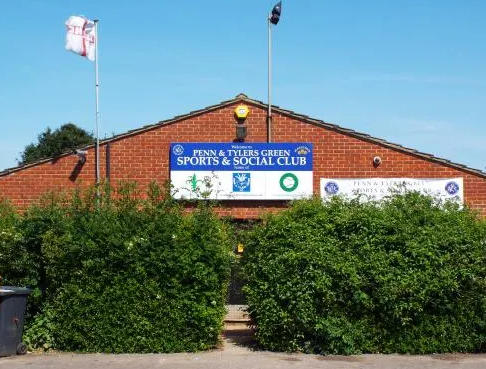
PENN AND TYLERS GREEN Sports and Social Club is to have its drinks licence reviewed by Buckinghamshire Council following complaints by 11 residents in the village.
Details of the complaint and the club’s response are not being revealed until the hearing this month, but licensing officer Sarah Coates said: “The review has been requested on the grounds of the prevention of public nuisance and public safety, specifically in relation to the use of premises and a marquee that was used for functions during the summer.”
The 11 residents are not named but they have appointed an agent, Alasdair Kennedy, to act on their behalf.
The Sports and Social Club, which comprises the village football, cricket and tennis clubs, erected a marquee in its grounds off Elm Road for around six weeks which was used for social events, including a party to celebrate the 150th anniversary of Tylers Green First School.
Ms Coates added: “Under the Licensing Act 2003, any person may apply for a review of a premises licence where they believe that one or more of the licensing objectives are being undermined.
“Where a review application is accepted as valid, the Licensing Authority (Buckinghamshire Council) is required to refer the matter to a hearing before the Licensing Sub-Committee for determination.”
Concern that local roads won’t cope when thousands of new homes are built
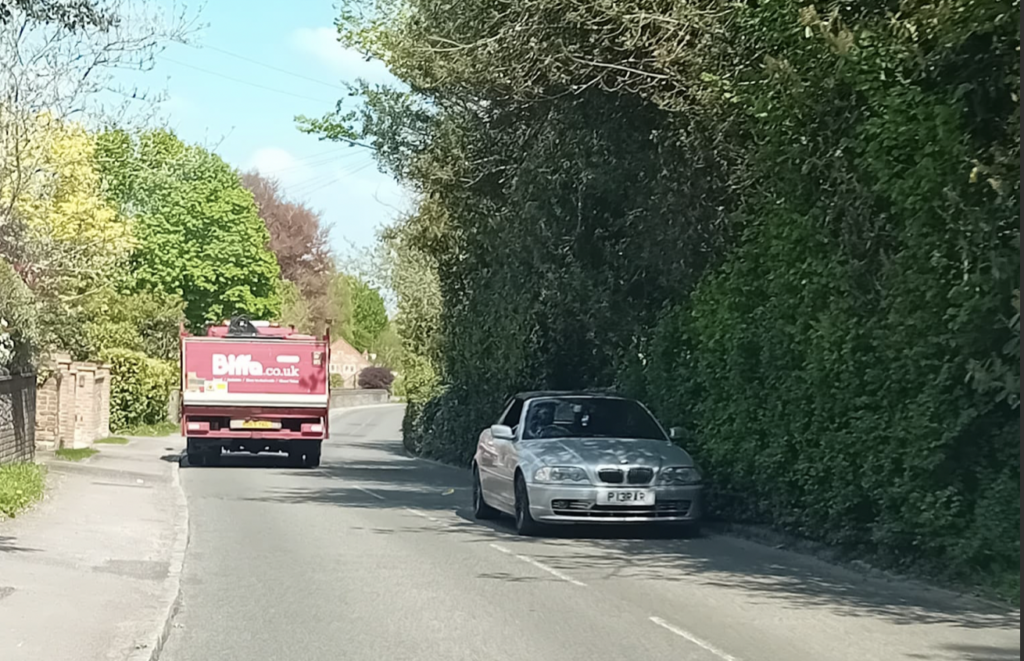
LOCAL GROUPS have expressed concern that roads in the area will not be able to cope with the increased traffic once thousands of new homes are completed in the Penn and Tylers Green area.
The homes are to be built in the Gomm Valley between Hammersley Lane and Cock Lane, Tylers Green; on greenfield sites in Hazlemere and off Ashwells also in Tylers Green in the next few years.
In response to Buckinghamshire Council’s proposed Local Plan, indicating where new development will be in the next couple of decades and the best way to prepare for it, the Penn and Tylers Green Residents’ Society says projections show that traffic through the village will more than double in the morning and evening rush hours.
It says its members are concerned there aren’t enough measures in place to prevent the village becoming a ‘rat-run’ to the A40 and is calling for traffic calming measures, further traffic monitoring and improved bus services, cycling connections and walking routes.
Penn Parish Council also points out that the projected traffic flows in the plan do not reflect the cumulative impact on the roads of so many different housing developments in the immediate area. It feels traffic will be worse than predicted on the B474 Hazlemere to Beaconsfield road through Penn and the A355 Beaconsfield to Amersham road in particular.
Chepping Wycombe Parish Council, which covers Tylers Green, Loudwater and Flackwell Heath, also wants to see a high standard of public transport and points out that because the area is so hilly improvements to walking and cycling routes, although welcome, do not help those who are older and less fit.
Penn and Hazlemere MP Sarah Green (Lib Dem, Chesham and Amersham) held a meeting with Government housing minister Matthew Pennycook to consider if infrastructure in the area is sufficient to deal with the new housing but has yet to report back on the outcome.
Tubby kids in expensive houses – Buckinghamshire today

IN HIS ANNUAL report, David Munday, the Director of Public Health in Buckinghamshire, says we are a county with bright but increasingly fat children, with an expanding number of adults living alone in houses that continue to be among some of the most expensive in the country.
Here’s a few stats:
- House prices rose on average 2.3 per cent last year. The average house price was £488,000 – “significantly above regional and national averages.”
- The number of people renting increased by 20 per cent according to the latest figures. One in six rent privately.
- Just over one in ten people live alone. One in 24 adults report feeling lonely.
- Eleven per cent of households are living in homes that do not meet the Decent Homes Standard. Nationally the figure is 15 per cent.
- Child obesity “remains persistently high”. One in five children start school overweight or obese. One in ten children are growing up in low-income families.
- Seven out of ten children achieve “a good level of development” at school, but 23 per cent are classed as “persistent absentees” at secondary school – a figure that has struggled to come down since the Covid pandemic.
- Buckinghamshire has a higher proportion of 16 and 17 year olds not in education, employment or training. The figure is 7.6 per cent compared to 5.6 per cent nationally.
- However, the county has 82.2 per cent of working adults in employment – much higher than the national average of 75 per cent.
- The crime rate is relatively low. Fifty five people per thousand were reported victims of crime in Buckinghamshire last year compared with 66 people per thousand in other parts of the Thames Valley Police area.
You can read Mr Munday’s report in full on this link: https://buckinghamshire.moderngov.co.uk/documents/s123865/Appendix%201%20-%20DPHAR%202026.pdf
Fears grow over the concentration of data centres in this area

THERE’S growing concern that the increasing number of data centres in this area could have a negative impact on the local environment.
The centres are vital for the development of AI and remote working but they use enormous amounts of energy to power their systems and water to cool them.
This area is particularly attractive for data centre companies because the main fibre-optic cables linking London to the USA run through it. In addition the area has close proximity to Heathrow and the capital’s finance markets.
But many locals fear the centres could overwhelm water and power supplies and even affect the weather:
- Slough already has the densest cluster of data centres in Europe – more than 40 – and if those in the pipeline are approved it will become the second largest data centre complex in the world. A report in The Guardian said that a survey conducted this summer showed that temperatures in the town were several degrees higher than those in surrounding areas with data centres being the chief suspect. Microsoft last month submitted plans for a data centre in Langley which has already attracted nearly 1,000 signatures in a petition of protest.
- In High Wycombe approval was given last month for a data centre at Wycombe Air Park in Booker comprising of six data halls plus offices. Thames Water warned there could be water supply difficulties unless a phased scheme to increase water supply was agreed.
- In Beaconsfield a public consultation began last month (it runs until 27 October) for one of the country’s biggest data centres next to the Beaconsfield Recycling Centre on the A40. Details of the public consultation are on this link https://sdcm40campus.co.uk
- In Denham plans for a data centre by the M40 had, by the end of September, accrued nearly 2,000 signatures in protest.
- In Reading, plans to build a Thames Valley data centre have generated a petition which has gathered nearly 6,000 signatures in opposition.
In addition to the above, data centres are planned in Iver, Heathrow, Hertfordshire and west London.
Regional news

Salute to comrades – The last living Polish airman in the UK who served with the RAF in the Second World War was a special guest when the Polish memorial at RAF Halton was rededicated last month.
One hundred and one year old Marian Slomka was one of 19,000 Poles who escaped to join the RAF after Poland was invaded by the Nazis and then Russia. Marian and many of his compatriots were trained at RAF Halton where he qualified as an aircraft engineer. He stayed in Britain after the war and lives in Hammersmith. He’s pictured with senior Halton personnel.
More trains – Chiltern Railways, which was returned to public ownership last month, has said it will run 25 additional daily services from December.
Under-cover; under-age – Buckinghamshire Trading Standards has recruited a group of under-age volunteers who seek to buy tobacco and alcohol in areas where anti-social behaviour and under-age drinking is prevalent. Last month the youngsters made 15 attempts to buy and succeeded on three occasions (two of vapes and one of alcohol). The premises that sold them are being investigated.
Film boost – The National Film and Television School at Beaconsfield has almost raised the £21m it needs to expand its site. Ten million has come from the Government and £250,000 from Buckinghamshire Council. The rest is private donations. In a separate development YouTube has invested £2million in the school to help it further support its students’ creative output.
Paws for thought – The team from Buckinghamshire NHS Trust’s plastic surgery and burns unit are working with vets at the Tiggywinkles Wildlife Hospital in Haddenham to share the latest developments on both microsurgery and treating wounds for both humans and animals.
Shining light – A new church, the Lantern Church, is to be built in Marlow Bottom following eight years of collaboration and fund-raising between local Church of England members and Methodists.
Hotel upgrade – Windsor’s oldest hotel, The Castle in the High Street, reopened last month after a £9million refurb. There’s been a hotel on the site for nearly 500 years, the Mermaid Inn, a Tudor alehouse, being recorded there in 1528.
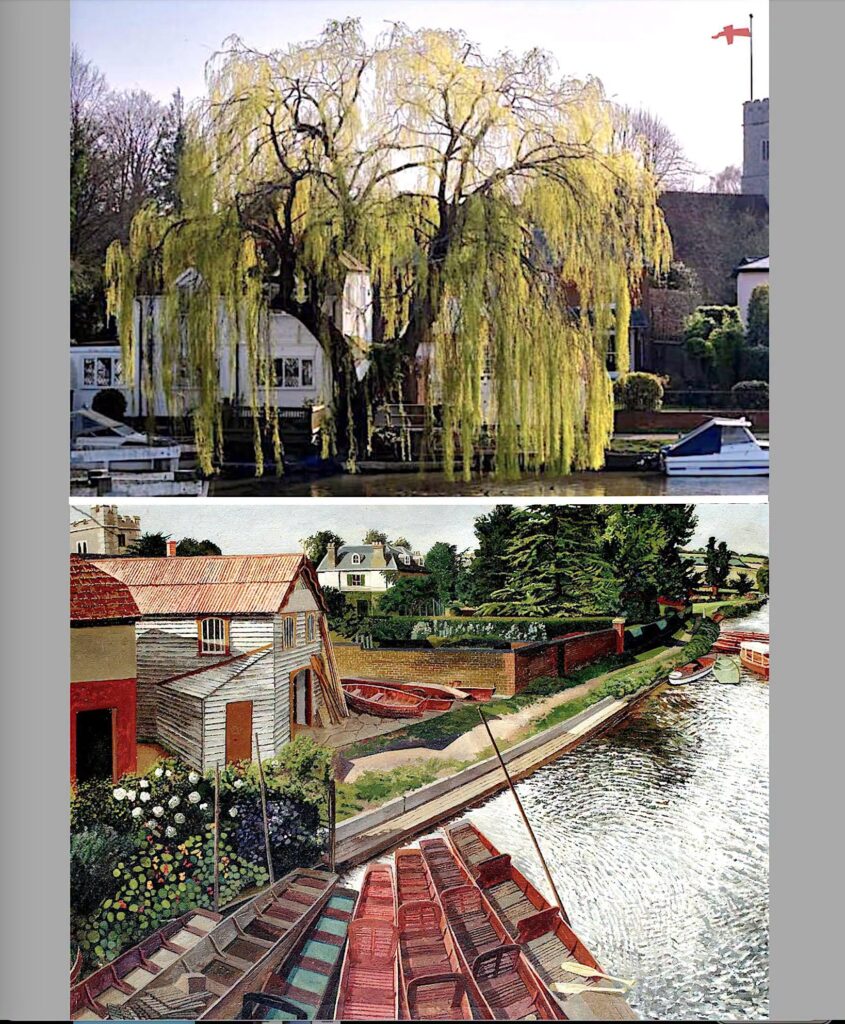
View returns – A weeping willow tree by Cookham Bridge collapsed into the river last month, taking with it some adjoining decking and footpath. It seemed the roots could no longer hang on after a series of dry summers. It means however passers-by can now see more or less the same view the local artist Sir Stanley Spencer saw when he painted ‘View from Cookham Bridge” in 1936.
Swans return – The annual count of swans on the River Thames this summer – Swan Upping – revealed a welcome increase in the swan population following years of decline. The King’s Swan Marker, David Barber, said his team counted 134 cygnets compared to 115 last year.
Full up – Oxford City Council has had to buy a piece of land outside its boundary as a new burial ground because the four cemeteries within the city boundary are either full or nearing capacity.
Drastic action – Hillingdon has introduced a policy of impounding and crushing vehicles whose owners have been found guilty of fly-tipping.
Military aid – A leading military medic, Wing Commander James Winchester, who is based at RAF Halton and is one of the country’s leading experts on trauma care and critical care, is assisting the team at Stoke Mandeville Hospital as a consultant anaesthetist and intensivist. As the hospital’s first military consultant, part of his role is to help support veterans and military families
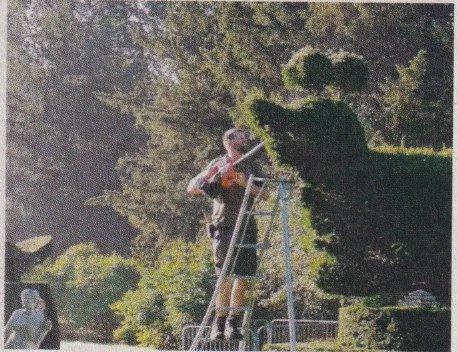
Close shave – The topiary hedges at the National Trust’s Cliveden estate in Taplow received their autumn haircut last month. Here, a welcome trim for the peacocks in the Long Garden.
By the way…
- Tylers Green MP Emma Reynolds (Lab.Wycombe) has an unenviable, tough new gig as Chief Secretary to the Treasury. With a tricky budget this month she is responsible for overseeing how the Government spends its money and ensuring it gets value for money. So who can begrudge her the odd perk? One such, according to her latest declaration of interests, was a trip to the steward’s enclosure at Henley Regatta this summer where, she declared, she received a free drink and lunch. And the estimated cost of this little jolly? £360.
Now, you might think that £360 for a glass of bubbly and a few fancy canapés is just a little OTT, and hardly value for money. One for the Chief Secretary to the Treasury to consider perhaps.
- Meanwhile, Penn and Hazlemere MP Sarah Green (Lib Dem. Chesham and Amersham) is not averse to the odd tipple. At one of the joyous gatherings in the bar of the Liberal Democrat conference in Brighton last month a Scottish delegate led the merry throng in a chorus of Flower of Scotland, only to be followed by Ms Green singing a hearty version of Land of My Fathers in fluent Welsh. The Corwen born MP is proud of her Welshness – she took her oath in Parliament in her native language.
You can contact this blog at peter@pennandtylersgreen.com It will be updated as necessary during October but the next full update is on 1 November.
Do you know of a child who would benefit from a Love Quilt?